Showing posts with label restaurant design. Show all posts

Thursday, October 1, 2015

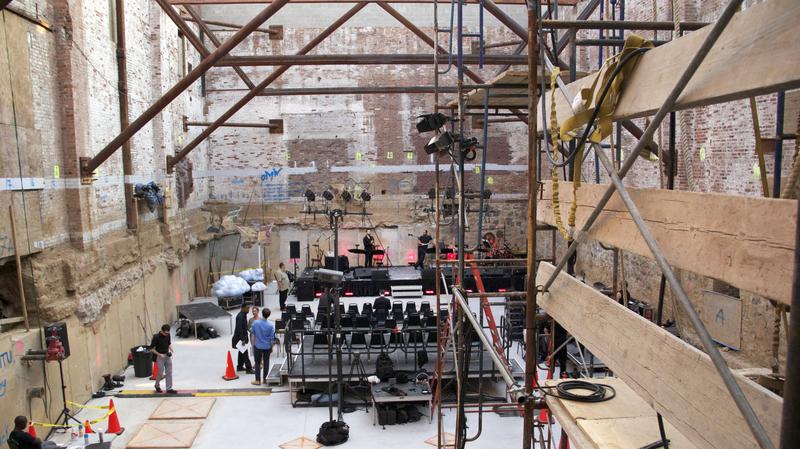
National Sawdust in Brooklyn by Bureau V


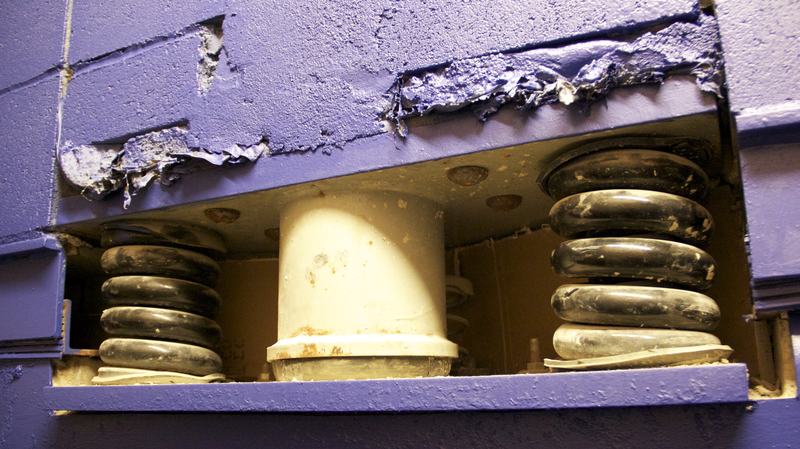
National Sawdust is a multi-purpose space that "...aims to be many things: an acoustically sound concert hall, a rehearsal and recording studio, an incubator for contemporary music, and a restaurant and bar featuring an award-winning chef."

photos by Kim Nowacki/WQXR)

You can read more about the space and the design here, and listen to a news story below.

Tuesday, September 15, 2015

New book: 'Asian Flavours: Creating Architecture for Culinary Culture'


'This book presents the projects of Asian and European architects on both continents, ranging from tea houses and sake bars through to entire restaurants. How are architects adapting and interpreting this cuisine in "our" latitudes? How do they respond to the conditions and cultures in these spaces without simply simulating an "Asian decor"?'

from DETAIL.
browse through the book here.

Wednesday, December 18, 2013

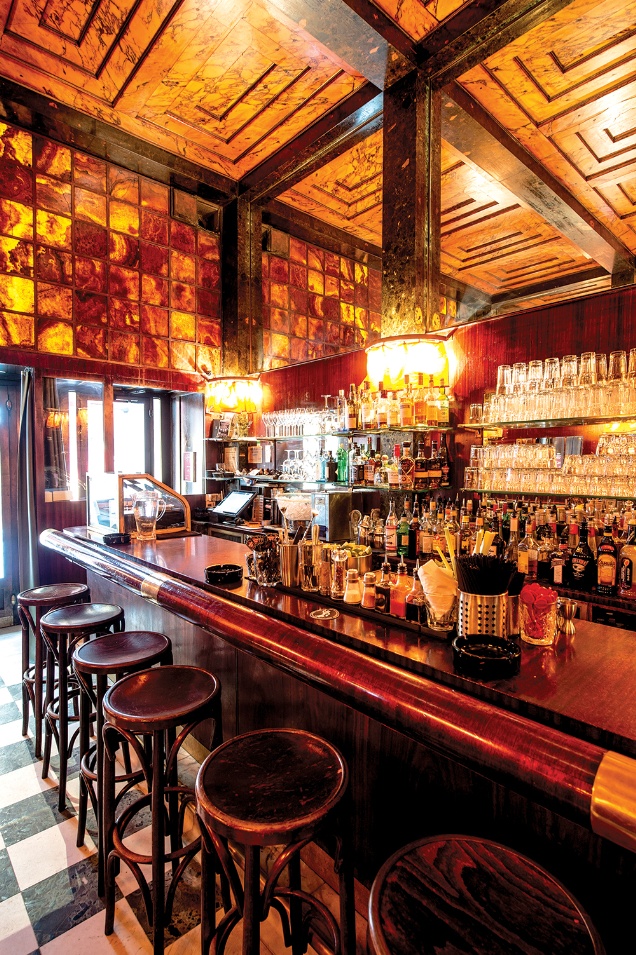
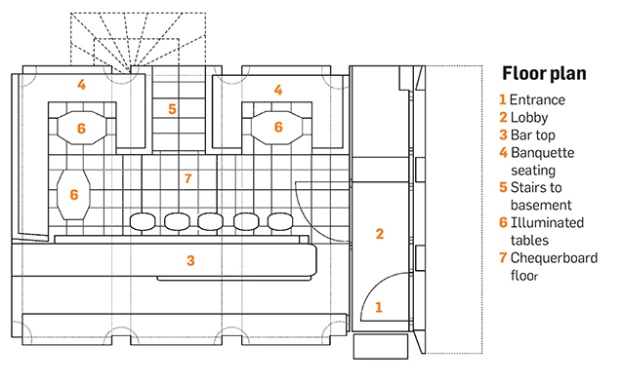
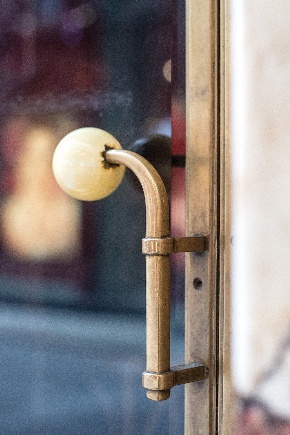
Sean Griffiths on the American Bar in Vienna by Adolf Loos


"The American Bar is an astonishing interior.

As well as being a very radical piece of early 20th century design, as Europe’s first ever cocktail bar (cocktails are an American invention) it brought a decadent New World experience to an old imperial Europe on the verge of catastrophic dissolution."

More from Sean Griffiths at BD.


Thanks to Níall McLaughlin for mentioning the article.

Friday, July 12, 2013

Mercato by Neri & Hu Design and Reserch Office


"Stripping back the strata of finishes that have built up after years of renovations, the design concept celebrates the beauty of the bare structural elements."

more from archdaily.

Wednesday, January 30, 2013

HITOSHI ABE - AOBA-TEI RESTAURANT (2004-05)


The restaurant, called Aoba-tei, which means “leafy place”, features perforated steel surfaces as a single continuous inner “skin”. This runs in an S-shape to contain both the reception area on the restaurant’s lower floor and the upper 30-seat dining area. “We made this steel plate as a seamless monocoque surface in order to create a seamless graphic surface for the images of zelkova trees, and to integrate the two floors smoothly,” he says.

The skin’s outer surface, made from 22mm-thick steel plate, performs 90û turns as the walls bend into the ceilings. The upper-floor ceiling height rises from just over 2m high at the front to 3.5m at the back. To achieve all the complex curves in the skin, a shipbuilding process was used in which key points are heated and chilled.

The spaces are lit with concealed downlights and by lighting behind the perforated skin. The overall effect is a golden gloom that evokes the ambience of a forest.

Abe also designed the chairs and tables – each is moulded from a single piece of birch plywood that references the curves of the inner loop – and the long walnut wood counter that runs down the back half of the upper floor of the restaurant.

Hitoshi Abe has his own practice, which he established in Sendai in 1992. Other projects of his include the 49,000-seater Miyagi Stadium, near Sendai, created for the 2002 World Cup, and the Miyagi Water Tower.

Aoba-tei is currently only open for special guests of the owner, who made his fortune in beef tongue, a local delicacy.


from Architecture and Interior blog and ICON magazine online


See the book The articulate surface ornament and technology in contemporary architecture by Ben Pell for more detailed description and drawings